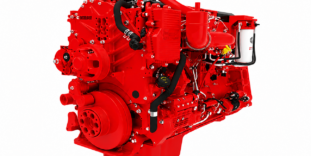
The Detroit Diesel DD15 series engine marked a major shift in heavy-duty engine design when it was introduced. It was not an incremental update to an existing platform. It was a clean-sheet engine built to meet changing demands in performance, emissions, and global integration.
Since its debut, the DD15 has become one of the most recognized engines in the heavy-duty trucking industry. It is widely used across long-haul, regional, and vocational applications, and it continues to play a central role in modern diesel engine development.
Understanding the history of the DD15 provides context for how engine technology has evolved and why this platform remains relevant today.
Detroit Diesel’s Evolution Leading Up to the DD15
Detroit Diesel has been a key player in the diesel engine industry since 1938. Over the decades, the company developed a reputation for producing durable and reliable engines used across transportation, industrial, and military applications.
Before the DD15, the Detroit Diesel Series 60 engine was the company’s flagship heavy-duty platform. The Series 60 became widely adopted due to its electronic controls, fuel efficiency, and long service life.
However, by the early 2000s, the industry began to change. Stricter emissions regulations, rising fuel costs, and the need for global engine platforms required a new approach to engine design.
Detroit Diesel, supported by its parent company Daimler Trucks, began developing a new engine platform that would eventually replace multiple legacy engines worldwide.
The Introduction of the DD15 Engine
The Detroit Diesel DD15 engine was officially introduced in 2007, with production beginning in North America in 2008.
Unlike previous engines, the DD15 was designed from the beginning as a global platform. It was intended to serve multiple markets, including North America, Europe, and Asia, while meeting a wide range of emissions standards.
This shift was driven by the increasing complexity and cost of developing separate engines for different regions. By creating a unified platform, Detroit Diesel was able to standardize components and improve efficiency across its product line.
The DD15 was the first engine in a family that would eventually include the DD13 and DD16, all sharing a high percentage of common components.
A Ground-Up Engine Design Built for Modern Performance
The DD15 was not derived from the Series 60 or any previous Detroit Diesel engine. It was built from the ground up to meet modern performance and emissions requirements.
It is a 14.8-liter inline six-cylinder engine with four valves per cylinder and dual overhead camshafts. The design focuses on strength, efficiency, and long-term durability.
Key structural features include:
- High-strength cast iron engine block for reduced vibration
- Compacted graphite iron cylinder head for increased strength
- Design capability to handle higher cylinder pressures
These design choices allow the engine to support both current performance demands and future development without requiring a complete redesign.
Meeting Emissions Standards Without Compromising Performance
The introduction of the DD15 coincided with increasingly strict emissions regulations in the United States.
The engine was designed to meet EPA 2007 standards through the use of cooled exhaust gas recirculation and a diesel particulate filter. It was also engineered to adapt to EPA 2010 requirements with the addition of selective catalytic reduction.
This forward-looking approach allowed the DD15 to remain compliant as regulations evolved.
At the same time, Detroit Diesel focused on maintaining performance and fuel efficiency. The challenge was to reduce emissions without sacrificing power or increasing operating costs.
The DD15 addressed this by combining advanced fuel injection technology with efficient air management systems.
Key Innovations That Defined the DD15
Several features distinguish the DD15 from earlier engine platforms.
Amplified Common Rail System (ACRS)
This system uses a two-stage process to generate high injection pressure. It supports multiple injection events per cycle, improving combustion efficiency and reducing noise.
Turbo-Compounding
The DD15 uses a dual turbocharger setup. One manages intake air, while the second recovers energy from exhaust flow and returns it to the drivetrain.
Improved Cooling and Airflow
Optimized coolant passages and increased flow to reduce hotspots and minimize the risk of liner cavitation.
These systems work together to improve efficiency, durability, and overall engine performance.
Performance and Real-World Operation
The DD15 was designed to deliver consistent performance across a wide operating range.
Early configurations offered:
- 455 to 560 horsepower
- 1,550 to 1,850 lb-ft of torque
The engine is known for strong low-speed torque, which supports fuel efficiency and reduces the need for frequent shifting.
Additional performance characteristics include:
- Fast turbo response with reduced lag
- Consistent pulling power at lower RPM
- Smooth operation under load
This translates to steady acceleration under load and the ability to maintain speed on grades without excessive gear changes. The engine’s broad torque curve allows operators to run at lower engine speeds, which can help reduce fuel consumption and overall engine wear.
Expanding the DD Platform
Following the introduction of the DD15, Detroit Diesel expanded the platform to include additional engines.
The DD13 was introduced as a smaller displacement option, designed for regional and vocational applications. It shares many design elements with the DD15 but is scaled for different performance requirements.
The DD16 was developed as a higher displacement engine, offering increased power and torque for demanding applications.
By creating a family of engines with shared components, Detroit Diesel improved manufacturing efficiency and simplified maintenance.
This platform approach also made it easier for fleets to standardize parts and service procedures across different engine models.
Longevity and Lifecycle Expectations
The DD15 was designed with long service life in mind.
Detroit Diesel projected a B50 life of approximately one million miles or more. This metric represents the point at which half of the engines are expected to remain in operation.
Extended service intervals were also part of the design. Larger oil capacity and improved filtration systems allow for longer intervals between maintenance.
These features contribute to lower operating costs over the life of the engine.
However, achieving this level of performance depends on proper maintenance and the use of quality replacement components during repairs and rebuilds.
Applications Across the Industry
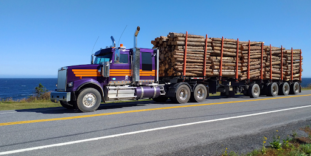
The DD15 is used across multiple heavy-duty applications.
Common uses include:
- Long-haul trucking
- Regional hauling
- Vocational and construction equipment
Its ability to deliver consistent power under load makes it suitable for a wide range of operating conditions. The engine is designed to perform reliably during extended highway operation as well as in stop-and-go environments where load demands can change quickly. This flexibility allows it to support both steady-state and variable-duty applications without compromising efficiency.
Supporting the DD15 with Quality Aftermarket Parts

As the DD15 platform has matured, the need for reliable replacement components has grown.
Maintaining engine performance over time requires high-quality parts that meet or exceed original specifications.
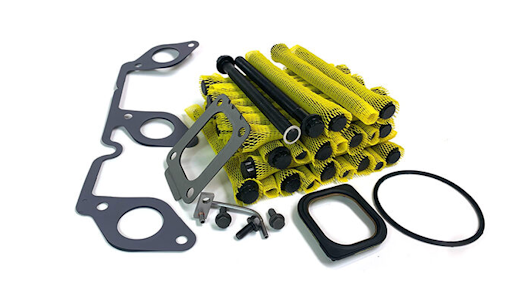
IPD provides a range of aftermarket components designed for Detroit Diesel engines, including the DD15.
Available components include:
IPD also offers in-frame rebuild kits for the DD15, providing the core components needed to restore engine performance.
These parts are designed for durability and consistent operation in heavy-duty environments. By supporting proper fit and function, they help extend engine life and reduce the risk of downtime.
The DD15 Today and Looking Forward
The Detroit Diesel DD15 continues to play a key role in modern trucking.
Ongoing advancements in electronics, fuel systems, and emissions technology have allowed the platform to evolve while maintaining its core design principles.
The engine remains a strong choice for fleets and operators focused on efficiency, reliability, and long-term value.
As the industry continues to adapt to new regulations and technologies, engines like the DD15 demonstrate how a well-designed platform can remain relevant over time.
Why the DD15 Still Sets the Standard?
The DD15 introduced a different approach to heavy-duty engine design.
It was built from the ground up to meet emissions requirements, improve fuel efficiency, and support global platform integration. At the same time, it maintained the durability and service life expected in heavy-duty applications.
That combination is what set it apart.
For rebuilders and operators, the DD15 represents more than a single engine platform. It reflects a shift in how engines are designed, maintained, and supported over time.
Understanding the DD15 is not just about its specifications. It is about how those design choices continue to impact performance, maintenance, and long-term operation in the field.