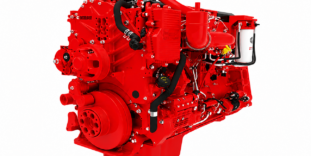

The Cummins X15 engine has become one of the best-known names in heavy-duty diesel trucking. It is widely recognized for its role in long-haul performance, durability, and ongoing engine support. But the X15 did not begin as a brand-new idea. It grew out of an earlier 15-liter engine line that had already built a strong reputation in the heavy-duty market.
That is what makes the X15 story worth understanding. Its history is not just about one launch year or one new name. It is about how a proven engine line adapted to changing emissions rules, growing fuel economy demands, and the need for long-term reliability in hard-working fleets.
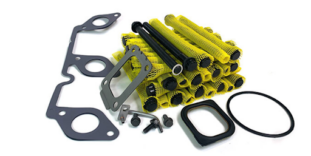
IPD is a global manufacturer and distributor of heavy-duty aftermarket engine parts, including rebuild solutions for Cummins X15 engines. Its X15 offering is designed to support reliable in-frame overhauls for customers working in demanding heavy-duty applications.
What Is the Cummins X15 Engine?
The Cummins X15 is a 15-liter heavy-duty diesel engine designed primarily for Class 8 trucks. While it carries over the heavy-duty core architecture of its predecessors, it introduced a more streamlined design to the 15-liter market.
Key technical characteristics of the X15 include:
- Specialized Trim Levels: A choice between the Efficiency Series (optimized for fuel economy) and the Performance Series (optimized for heavy hauling and mountain grades).
- Single Overhead Cam (SOHC) Design: A departure from the dual-cam design of early ISX models, reducing weight and complexity.
- Advanced Engine Braking: Market-leading “Intebrake” technology that provides superior stopping power, reducing wear on service brakes.
- Broad Application: It is the go-to power plant for long-haul tractors, vocational trucks (like dump trucks), and high-mileage owner-operator rigs.
How Does Cummins Split the X15 for Different Jobs?
One thing that helped the X15 stand out was how Cummins built it for different kinds of work, not just one general use.
Instead of offering one 15-liter setup for every customer, Cummins split the X15 into trims with different goals:
- Efficiency Series: Aimed at better fuel economy for long-haul fleets
- Performance Series: Aimed at stronger pulling power for heavy loads and tougher routes
Not every operation needed the same kind of engine. A fleet focused on fuel savings had different priorities than one running mountain grades, heavier loads, or more demanding duty cycles.
This more targeted approach showed how the heavy-duty engine market was changing. Customers were no longer choosing a 15-liter engine based on size alone. They also wanted the right balance of fuel economy, power, and application fit.
In that way, the X15 reflected a more specialized approach to engine design, one built around how the truck would actually be used.
Where the Cummins X15 Story Begins?
To understand the history of the Cummins X15 engine, it helps to look at the 15-liter engine line that came before it. The X15 story goes back about 25 years, with roots in the late 1990s when Cummins introduced the legendary ISX platform to replace the aging N14.
Over time, this dual-overhead-cam 15-liter engine line became the absolute backbone of heavy-duty trucking. Despite navigating the tough new emissions standards of the 2000s, it built a strong reputation for pulling power, durability, and long service life.
Before the X15 name was introduced, many fleets and rebuilders knew these engines as the ISX or ISX15. Those earlier engines helped shape the X15 and laid the foundation for its place in the heavy-duty diesel market.
Key Early Facts About the X15’s History
- The Transition: The ISX series moved Cummins from mechanical designs to advanced electronic controls.
- Proven Platform: Before the “X15” name existed, the ISX15 was already the most popular heavy-duty engine in North America.
- Built to Last: Many of these early 15-liter blocks are still on the road today, proving the durability of the original architecture.
Why Cummins Developed the X15?
The heavy-duty truck market underwent a massive shift in the early 2010s. It was no longer enough for an engine to simply provide raw power; fleets were facing a “perfect storm” of new challenges:
- Tighter Emissions Regulations: Federal standards required a drastic reduction in greenhouse gas emissions.
- Rising Operating Costs: With fuel being the largest expense for any fleet, maximizing MPG became a survival tactic.
- The Demand for Uptime: As logistics became more high-speed, any hour a truck spent in the shop resulted in significant lost revenue.
The X15 was developed to address these specific pressures, evolving the proven 15-liter platform into a more intelligent, fuel-efficient, and reliable power plant that could help a fleet’s bottom line.
The 2017 Debut of the Cummins X15
The X15 became a major milestone in 2017. That was the year the name officially stepped into the spotlight as the next generation of Cummins’ 15-liter heavy-duty engine line.
From the start, the X15 was built for serious heavy-duty work. It offered strong horsepower and torque ratings, making it a fit for fleets that needed dependable performance in long-haul and demanding trucking applications.
The 2017 release also showed that the X15 was more than a new name. It reflected a broader update to the engine, with changes made to key systems and major internal components to meet newer demands in the market.
The Ongoing Evolution (2020–2021)
After its 2017 debut, the X15 did not stand still. In 2020 and 2021, Cummins introduced further refinements to the platform to stay ahead of tightening GHG (Greenhouse Gas) phase 2 regulations.
- Refined Efficiency: Later models saw improvements in air handling and reduced parasitic losses, squeezing even more MPG out of the Efficiency Series.
- Enhanced Uptime: Updates focused on longer oil drain intervals and better sensor reliability to keep trucks out of the shop.
- Planning for the Future: These steady updates ensured the X15 remained the “anchor” of Cummins’ heavy-duty strategy as they moved toward the HELM platform.
The X15 Legacy and the HELM Platform
A newer part of the X15 story is its place in Cummins’ HELM platform. HELM stands for Higher Efficiency, Lower Emissions, and Multiple Fuels. In simple terms, it is a shared engine design that allows Cummins to build different versions of the X15 for different fuel types.
In the 15-liter range, that includes the diesel X15 and the X15N natural gas engine. Future X15 versions are also part of this broader fuel-flexible strategy. Some parts can remain common across the engine line, while other parts are tailored to the specific fuel being used.
The X15’s long history in heavy-duty applications is part of what makes this important. It shows that the engine is not only a major part of Cummins’ past, but also part of where its heavy-duty engine strategy is headed next.
Why the HELM Platform Matters
- Familiarity: Customers get more fuel choices (like Natural Gas or Hydrogen) while staying within a familiar engine architecture they already know how to service.
- Future-Proofing: It aligns the X15 with upcoming global emissions goals, ensuring the 15-liter platform stays relevant and legal.
- Parts Longevity: Because many parts remain common across the line, it supports a stronger, long-term market for rebuilds and replacement components.
These refinements mattered because they helped the X15 stay competitive in a market that was demanding more from every truck on the road. Fleets were no longer judging engines only by power. They were also looking at service intervals, fuel cost, and long-term operating efficiency.
Why Rebuild Support Became Part of the X15 Story?
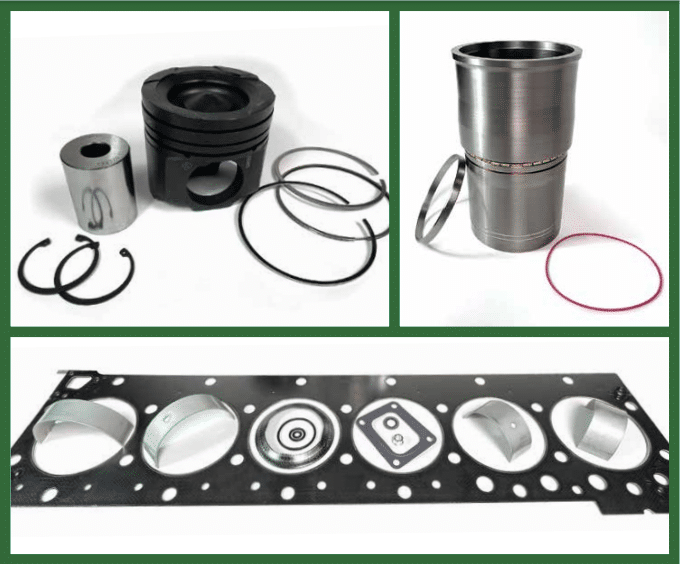
As more Cummins X15 engines stayed in service over time, rebuild support naturally became part of the story. Engines built for long-term use eventually reach a point where routine maintenance is no longer enough. At that stage, planned rebuilds become part of keeping those engines working.
That is where aftermarket rebuild support matters.
IPD offers rebuild solutions for the X15 that are designed to help extend engine life and support dependable in-frame service.
Its X15 rebuild kit includes major components such as:
- A forged friction-welded steel piston
- A pin-bore profile designed for heavy-duty operation
- Graphite skirt coating
- A cast iron liner with an anti-polish ring
- Bearings
- An upper gasket set
- An oil pan gasket
The in-frame kit includes the main parts needed for a rebuild, while the lower gasket set is available separately for out-of-frame repairs.
Keep Your Cummins X15 Working Longer with the Right Rebuild Support
The Cummins X15 remains one of the most important heavy-duty diesel engines in the market, and its long service life makes rebuild support more important than ever. Over time, it adapted to changing emissions standards, fuel economy goals, and customer needs while keeping its place in the heavy-duty market.
Today, the X15 still matters because it connects the past, present, and future of heavy-duty engine design. For fleets, rebuilders, and distributors, that long service life also makes rebuild support more important.
IPD supports those needs with rebuild solutions for Cummins X15 engines designed to help extend engine life and support dependable in-frame service. If you are planning an X15 overhaul or looking for reliable aftermarket engine parts, contact IPD to learn more about available rebuild kits and component options for your application.