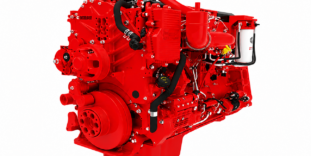
The Cummins ISX engine holds an important place in heavy-duty diesel history. For many fleets, rebuilders, and parts buyers, the ISX became more than just another engine model. It became a major part of long-haul trucking, vocational work, and heavy-duty service across North America. Its reputation came from a mix of strong pulling power, electronic controls, emissions-era updates, and long-term rebuild support.
The ISX story matters because it helps explain how modern heavy-duty diesel engines changed over time. It also helps explain why aftermarket support still matters today. IPD supports Cummins applications with heavy-duty aftermarket parts and rebuild solutions, including ISX/QSX coverage.
What Is the Cummins ISX Engine?
The Cummins ISX is a heavy-duty diesel engine family used mainly in Class 8 truck applications, though related versions also served other demanding uses. It became especially important in on-highway trucking, where fleets needed engines that could handle long miles, heavy loads, and changing emissions demands.
Designed for demanding service, the ISX combined several core traits that helped define the engine family over time.
Key characteristics of the Cummins ISX included:
- Heavy-duty inline-six diesel design
- Overhead camshaft architecture
- Electronic control systems for engine management
- High torque output for loaded truck applications
- Continuing updates aimed at emissions compliance and efficiency
These traits helped the ISX serve a wide range of heavy-duty uses, including:
- Long-haul trucking
- Vocational trucks
- Heavy-duty fleet work
- Rebuild and service applications
That combination of broad use and evolving design helped make the ISX one of the most recognized heavy-duty diesel engines of its time.
Why Cummins Developed the ISX?
Cummins developed the ISX because the heavy-duty truck market was changing fast. By the late 1990s, fleets needed engines that could deliver strong performance, lower operating costs, better fuel efficiency, and improved emissions control, all without giving up durability.
The older N14 had been a major engine in the industry, but mechanical engine design was reaching its limits. The ISX emerged in 1998 as the next major step in Cummins’ heavy-duty development, built to bridge the gap between old-school durability and a new era of electronic precision.
From the start, the ISX was designed to solve several major challenges at once:
- Modernized Performance: Replacing the aging N14 with a dual-overhead-cam design for better breathing and higher horsepower
- Advanced Electronics: Shifting from mechanical fuel systems to full electronic controls for more precise engine management
- Lower Operating Costs: Improving fuel efficiency and long-haul reliability to help fleets manage the total cost of ownership
- Stricter Compliance: Providing a platform that could adapt to the more complex emissions standards of the early 2000s
By meeting these needs, the ISX did more than replace the N14. It became a major part of Class 8 trucking and helped lay the technical groundwork for what eventually followed.
The ISX and the Shift to More Advanced Engine Controls
One of the biggest reasons the Cummins ISX stands out in heavy-duty engine history is the role it played in the move toward more advanced engine controls.
Older heavy-duty diesel engines relied more on mechanical systems. The ISX helped push the industry further into electronic engine management. That change mattered because it gave the engine more precise control over fuel delivery, performance, and emissions.
For fleets, that meant an engine that could respond more closely to changing demands in the field. For manufacturers, it meant a better way to meet stricter emissions standards and fuel economy goals. For service shops, it meant diagnostics and repairs would become more closely tied to sensors, software, and electronic control systems.
This shift was not just a small design update. It was part of a larger change in how heavy-duty diesel engines were controlled, serviced, and supported. The ISX helped mark that transition, which is one reason it still matters in the history of modern diesel engine development.
Evolution of the Cummins ISX Engine
The Cummins ISX did not stay the same from the day it was born. Like a smartphone that gets software updates, the ISX changed throughout its life as trucking needs, environmental rules, and technology got better. This steady development is a big reason why it became one of the most important engine families in history.
Several key priorities shaped the ISX as it grew up:
Performance
Strong horsepower and torque remained the most important part of the ISX identity. Whether a truck was hauling logs in the mountains or pulling a refrigerated trailer across the plains, there was a version of the ISX built for that specific job. Cummins made sure that even as the engine met stricter environmental rules, it kept all of its original pulling power.
Fuel Economy

Fuel is usually the biggest bill a trucking company has to pay. Because of this, making the ISX more fuel efficient was a top priority. As the engine evolved through the 2000s, Cummins added better sensors and smarter computers to make sure every drop of diesel was used as efficiently as possible.
Reliability and Uptime
A truck only makes money when the wheels are turning. Because so many companies used the ISX, Cummins focused on making the parts last longer. By studying how engines performed over millions of miles, Cummins identified which parts were likely to wear out and replaced them with stronger designs in later versions of the ISX.
Adaptation to New Standards
The biggest driver of change for the ISX was the government’s rules on pollution. To meet these standards, Cummins had to add complex systems like EGR (which recycles exhaust) and DPF (which traps soot).
Later updates to the engine focused on:
- Cleaner Air: Making sure the exhaust was as safe as possible.
- Better “Brains”: Updating the electronic sensors that tell the engine how to run.
- Better Parts: Changing the shapes of pistons and the thickness of liners to handle higher heat.
Common Issues That Became Part of the ISX Story
Like many long-running heavy-duty engines, the Cummins ISX developed a few service issues that became well-known over time. Exact problems varied by model year and application, but several concerns came up often in the field.
These commonly discussed concerns include:
- EGR-related issues in certain emissions-era engines
- Camshaft wear or valvetrain-related concerns in some applications
- Cylinder head and overhead design-related service concerns
- Emissions system complexity in later years
These issues are worth mentioning because they give a fuller picture of the engine’s history. The ISX was widely used and highly influential, but it also came with service lessons that shaped how fleets and rebuilders approached long-term ownership.
How the ISX Changed Repair and Rebuild Work?
The Cummins ISX did not just change how heavy-duty engines performed. It also changed how they were repaired and rebuilt.
As the engine evolved, it brought in more electronic controls, emissions-related systems, and design updates that made service work more involved than it had been on older engines. This meant rebuilders and mechanics had to pay closer attention to model-year differences, parts fitment, and the specific version of the engine they were working on.
That shift mattered in a few key ways:
- Repairs became more dependent on accurate diagnostics
- Rebuild planning required more careful parts matching
- Emissions-era updates added more service considerations
- Small design changes could affect long-term reliability and fitment
For shops and parts buyers, the ISX became an engine that required more than basic familiarity. It required a better understanding of how the engine changed over time. That is one reason the ISX remains such an important engine in the rebuild and service market today.
Why Rebuild Support Matters for the Cummins ISX?
As more Cummins ISX engines stayed in service over the years, rebuild support became a bigger part of their long-term value. That is what happens with heavy-duty engines built for long miles and demanding work. At some point, routine maintenance is no longer enough, and planned rebuilds become part of keeping those engines on the road.
That is where aftermarket rebuild support matters.
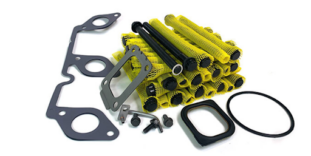
The ISX remained widely used in trucking and other heavy-duty applications for years, which means many engines eventually reached the stage where in-frame or major service work became necessary. For fleets and rebuilders, this created an ongoing need for dependable replacement parts and rebuild components.
IPD supports Cummins applications with heavy-duty aftermarket parts, including support for ISX and QSX engine families. Its Cummins product coverage reflects the ongoing demand for parts that help fleets and rebuilders keep ISX engines in service longer.
Keep Your Cummins ISX Working Longer with the Right Rebuild Support
The history of the Cummins ISX engine is really a story of steady change. It grew out of an earlier heavy-duty engine tradition and became one of the most important diesel engines in the trucking market. Over time, it adapted to changing emissions rules, fuel economy goals, and customer needs while keeping its place in the heavy-duty world.
Today, the ISX still matters because it connects the past, present, and future service of heavy-duty diesel engines. For fleets, rebuilders, and distributors, that long service life makes rebuild support more important than ever. IPD supports those needs with aftermarket parts and Cummins application coverage built for demanding engine service.
If you are planning an ISX overhaul or looking for reliable aftermarket engine parts, contact IPD to learn more about component options for your application.