Ask anyone who works around mining equipment, power generation, or large industrial machines, and you’ll hear the same thing. Some engines are just built differently. The Cummins QSX is one of them.
It’s not an engine you casually come across. It’s built for serious work. High loads, long hours, and environments where failure isn’t an option. And like most engines that earn that kind of reputation, the QSX didn’t get there overnight.
Let’s take a closer look at where it came from, how it evolved, and why it’s still a trusted platform today.
What Is the Cummins QSX Engine?
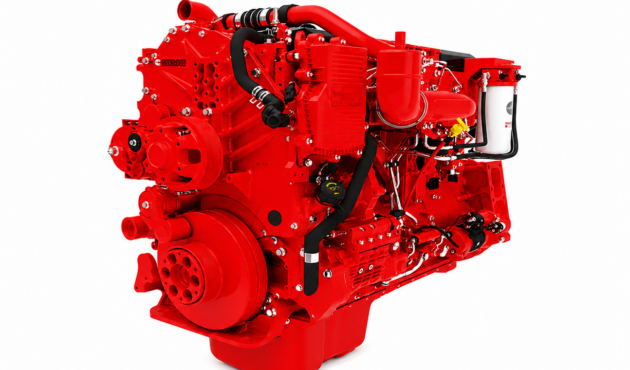
The Cummins QSX is a high-horsepower diesel engine platform designed for heavy-duty industrial applications. It’s commonly used in mining, construction, oil and gas, and power generation.
At its core, the QSX is part of the same engine family as the Cummins ISX. They share similar architecture, components, and design philosophy. The difference comes down to application.
- ISX is built for on-highway trucks
- QSX is built for off-highway, high-load environments
Same DNA, different lifestyle. The QSX typically comes in configurations like the QSX15, which is a 15-liter inline six-cylinder engine designed to deliver consistent power under extreme conditions.
Where It All Started: The ISX Foundation
To understand the QSX, you have to start with the Cummins ISX. The ISX platform was introduced in the late 1990s as a replacement for earlier Cummins heavy-duty engines. It was designed to meet new emissions standards while improving fuel efficiency and performance.
One of the biggest shifts with the ISX was its move toward advanced electronics and fuel control. It wasn’t just about making power anymore. It was about making power efficiently, cleanly, and consistently. The QSX took that same foundation and adapted it for industrial use.
Building the QSX for a Different Job
On-highway engines and industrial engines don’t live the same life.
A truck engine sees varying speeds, loads, and driving conditions. A QSX engine? It might run at a steady load for hours or operate in harsh environments where heat, dust, and vibration are constant.
So Cummins made key adjustments when developing the QSX:
- Stronger internal components to handle sustained loads
- Cooling system improvements for extreme environments
- Calibration changes for consistent power output
- Reinforced cylinder components for durability
The goal was simple. Take what worked in the ISX and make it tougher.
Key Specs of the Cummins QSX15
While configurations vary, here’s a general look at what the QSX15 brings to the table:
- Displacement: 15 liters
- Configuration: Inline 6-cylinder
- Horsepower Range: 400 to 665+ hp (depending on application)
- Torque: Up to 2,050 lb-ft and beyond
- Fuel System: High-pressure fuel injection with electronic control
These numbers don’t tell the whole story. What really matters is how the engine performs under load, and that’s where the QSX stands out.
Continuous Design Changes: Not All QSX Engines Are the Same
If you’ve worked on Cummins engines long enough, you already know this—nothing stays the same forever. The ISX and QSX platforms went through continuous design changes over the years, especially in cylinder components like pistons, liners, and rings.
These updates weren’t random. They were driven by:
- Emissions requirements
- Performance improvements
- Durability enhancements
- Real-world field feedback
For example, changes in piston design and liner configurations were made to improve sealing, reduce wear, and handle higher cylinder pressures.
That means if you’re rebuilding a QSX, knowing the exact configuration matters. Not every part is interchangeable across all versions.
Cylinder Components: Where the Real Work Happens
If there’s one area that defines the durability of the QSX, it’s the cylinder components. Think about what’s happening inside that cylinder:
- Combustion pressures
- Heat transfer
- Friction between moving parts
- Oil control
The pistons, liners, and rings have to handle all of it.
Over time, Cummins refined these components to improve performance and extend service life. That includes:
- Updated piston designs for better heat resistance
- Improved liner materials and finishes
- Ring designs that balance sealing and oil control
It’s not flashy work. But it’s what keeps the engine running.
Performance in the Real World
On paper, the QSX is powerful. In the field, it’s dependable.
These engines are built to:
- Run long hours without interruption
- Handle heavy, consistent loads
- Perform in extreme temperatures and environments
You’ll find QSX engines in:
- Mining trucks
- Excavators
- Drilling equipment
- Power generation systems
And in those applications, downtime isn’t just inconvenient, it’s expensive. That’s why reliability matters more than anything else.
Common Challenges with the QSX Platform
No engine is perfect. And the QSX has its share of challenges, especially as it ages. Some of the more common issues include:
- Wear on cylinder liners and piston rings
- Injector performance over time
- EGR-related buildup in certain configurations
- Cooling system strain under heavy loads
Most of these issues aren’t design flaws. They’re the result of demanding operating conditions. With proper maintenance and quality parts, the QSX can run for a very long time.
Why Rebuild Instead of Replace?
When a QSX starts to show signs of wear, many operators choose to rebuild rather than replace. Why?
- Lower cost compared to a new engine
- Proven platform with known performance
- Availability of aftermarket parts
- Ability to restore original performance
A proper rebuild brings the engine back to life. But the quality of that rebuild depends heavily on the parts used.
Supporting the QSX with Quality Components
As the QSX platform continues to operate worldwide, the demand for reliable replacement parts has only grown. This is where aftermarket suppliers like IPD come in.
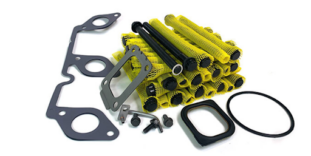
IPD provides high-quality components for Cummins engines, including the ISX and QSX platforms. These include:
Each part is designed to meet or exceed original specifications, helping rebuilders maintain performance and reliability. Because at the end of the day, the engine is only as strong as the parts inside it.
The QSX Today
Even with newer engine platforms on the market, the QSX remains widely used. Why?
Because it works. It’s a known platform. Mechanics understand it. Operators trust it. And with the right maintenance, it continues to deliver. That’s not something every engine can say.
Built to Handle the Hard Jobs
The Cummins QSX wasn’t designed for easy work. It was built for environments where engines are pushed to their limits every day. From its roots in the ISX platform to its role in heavy industrial applications, the QSX has proven itself as a durable, reliable engine.
It’s not just about horsepower or torque. It’s about consistency. Longevity. And the ability to keep going when the job demands it.
For rebuilders, distributors, and operators, understanding the history of the QSX helps make better decisions, whether that’s maintenance, repair, or a full rebuild. And when it comes time to rebuild, having the right parts makes all the difference. Contact the IPD customer support team for any additional questions you might have about the QSX!