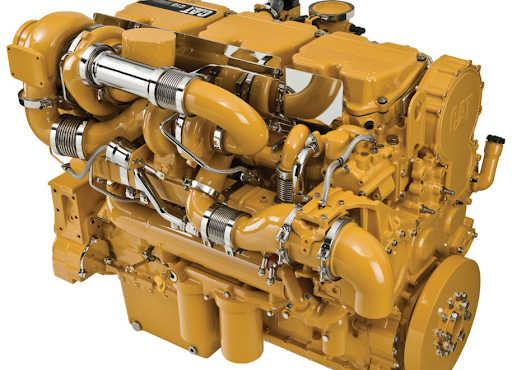
When Caterpillar introduced the C18, they were not trying to build a trendy engine or chase the on-highway spotlight. They were solving a different problem entirely. Industries like mining, marine, and power generation needed an engine that could run hard, run long, and survive conditions that would shorten the life of lighter-duty platforms. The C18 was Caterpillar’s answer, and it delivered exactly what those industries were asking for.
Over the years, the Caterpillar C18 became known as a serious industrial engine. It is big, powerful, and engineered with one primary goal: durability under continuous load. Today, the C18 remains one of the most respected large-bore inline engines Caterpillar ever produced, and the demand for Caterpillar C18 parts continues to be strong across global rebuild markets.
This article explores how the Caterpillar C18 engine came to be, how it evolved, and why Caterpillar C18 engine parts remain essential for keeping these engines operating worldwide. For Caterpillar parts, feel free to browse and order IPD Caterpillar parts through IPDNet if you are an IPD existing customer or by contacting customer service for assistance.
Why Caterpillar Developed the C18?
By the early 2000s, Caterpillar already had a well-established diesel engine lineup. The C15 was widely used in on-highway trucking, while engines like the C9 and C13 supported construction and industrial markets. However, customers operating larger equipment needed more power without sacrificing reliability or service life.
The C18 was designed to address the following needs:
- Higher horsepower and torque for large-scale industrial work
- Continuous duty operation without excessive wear
- Inline engine balance for smoother long-term operation
- Long overhaul intervals and rebuild-friendly architecture
- Compatibility with industrial, marine, and power generation equipment
The result was an engine built to operate at high load factors day after day.
What Is the Caterpillar C18 Engine?
The Caterpillar C18 is an 18.1-liter inline six-cylinder diesel engine designed exclusively for off-highway use. From its earliest production, it was intended for demanding applications where engine longevity and reliability were more important than compact size or lightweight construction.
Caterpillar chose an inline six configuration for a reason. Inline engines naturally balance internal forces more evenly than V engines, which reduces vibration and mechanical stress. This design is especially valuable in engines that operate under steady loads for extended periods of time.
The C18 combines electronic engine controls, turbocharging, and heavy-duty internal components to deliver consistent power output in harsh environments.
C18 Engine Design and Performance Characteristics
Rather than listing specifications without context, it is more helpful to understand how the C18 was engineered to perform in real-world conditions.
Key design and performance characteristics of the Caterpillar C18 include:
- 18.1 liters of displacement focused on torque production
- Large bore and stroke dimensions optimized for durability
- Water-cooled design for thermal stability under load
- Turbocharged airflow management for consistent combustion
- Electronic fuel control for precise delivery and monitoring
Depending on configuration and application, C18 engines are commonly rated between the mid-500-horsepower range and more than 800 horsepower. Torque output scales accordingly, making the engine well-suited for large generators, marine propulsion systems, and heavy industrial machinery.
The focus was never on peak RPM or short-term output. The C18 was designed to sustain performance over long operating cycles.
Early C18 Engines and the Focus on Longevity
The earliest Caterpillar C18 engines were built with a conservative design philosophy. Caterpillar anticipated that these engines would operate in harsh environments where downtime could be extremely expensive.
Early C18 engines were known for several durability-focused features:
- Heavy-duty cylinder blocks designed to resist distortion
- Robust crankshafts capable of handling continuous torque loads
- Strong connecting rods built for long service life
- Generously sized cooling systems to manage sustained heat
- High-capacity lubrication systems to protect internal components
These design choices contributed directly to the C18’s reputation for long life. Many early engines are still operating today, often after multiple rebuilds.
ACERT Technology and the Evolution of the C18
As emissions regulations became more stringent, Caterpillar introduced ACERT technology across its diesel engine lineup. ACERT stands for Advanced Combustion Emissions Reduction Technology and represents a system-wide approach to emissions control rather than reliance on a single aftertreatment component.
Instead of focusing on one solution, ACERT combined multiple engine technologies to reduce emissions while preserving performance and durability. This approach was especially important for large displacement engines like the Caterpillar C18, which were expected to operate continuously in industrial and marine environments.
For the Caterpillar C18, ACERT technology typically involved:
- Twin turbochargers to improve airflow and boost control
- Enhanced electronic fuel control systems for precise fuel delivery
- More accurate combustion timing to reduce emissions at the source
- Improved air and fuel mixing to support cleaner combustion
These changes allowed the C18 to meet emissions requirements without fundamentally altering the engine’s core design. While ACERT engines introduced additional sensors, wiring, and electronic controls, Caterpillar engineered the system to maintain the durability expected in heavy-duty applications.
In many industrial and marine markets, ACERT technology helped extend the service life of the C18 platform by keeping it compliant while still capable of delivering consistent power. This evolution also increased the importance of proper diagnostics, maintenance practices, and quality Caterpillar C18 engine parts during service and rebuilds.
Common Applications of the Caterpillar C18
The Caterpillar C18 has always been an off-highway engine designed for environments where reliability, longevity, and consistent power output are essential. It is most commonly used in applications that operate under steady loads for long periods of time.
Typical Caterpillar C18 applications include:
- Industrial power units
- Standby and prime power generator sets
- Marine propulsion systems
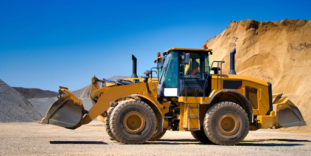
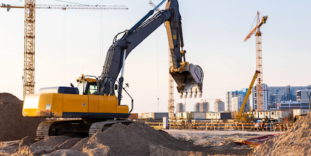
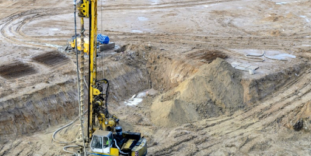
- Mining equipment
- Oilfield and energy sector machinery
In industrial power applications, the C18 is often used to drive compressors, pumps, and large mechanical systems. These operations depend on engines that can maintain torque and thermal stability throughout extended run cycles.
In standby and prime power generator sets, the Caterpillar C18 engine is valued for its ability to deliver stable power during prolonged outages. Hospitals, data centers, manufacturing facilities, and remote installations rely on generator sets powered by the C18 because of its predictable performance and serviceability.
Across all of these roles, the C18 excels where consistent performance matters more than rapid acceleration or frequent RPM changes.
Why the C18 Is Known for Durability?
The Caterpillar C18 earned its reputation through decades of consistent performance in demanding operating conditions. Its durability is not the result of a single feature, but rather a combination of design choices focused on long service life.
Key factors behind the C18’s durability include:
- Conservative operating speeds that reduce internal stress and heat
- Heavy rotating assemblies designed for long-term fatigue resistance
- Robust cooling systems that manage sustained thermal loads
- High-capacity lubrication systems that protect internal components
- Replaceable wear components that support multiple rebuild cycles
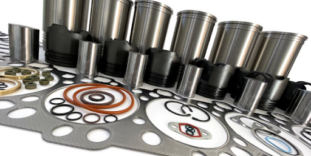
Unlike engines designed for lighter-duty applications, the C18 was engineered with overhaul in mind. Major components such as pistons, cylinder liners, bearings, and gasket sets are designed to be replaced during rebuilds, allowing the engine to return to service without complete replacement.
Because of this rebuild-focused design, Caterpillar C18 parts remain a critical part of lifecycle maintenance strategies. When rebuilt using high-quality Caterpillar C18 engine parts and proper machining practices, these engines often deliver thousands of additional operating hours.
This emphasis on durability, serviceability, and long-term value is what continues to make the Caterpillar C18 a trusted platform across industrial, marine, and energy sectors.
Common Wear Areas and Maintenance Considerations
Even a durable engine like the C18 experiences wear over time, especially in demanding applications.
Common maintenance considerations for the Caterpillar C18 include:
- Fuel system wear related to contamination or poor filtration
- Turbocharger wear under constant high load operation
- Piston, liner, and bearing wear during extended service intervals
- The importance of precise machining during rebuilds
Using high-quality replacement components and maintaining proper service practices are critical to extending engine life.
Supporting the Caterpillar C18 with IPD Parts
The Caterpillar C18 remains a valuable platform because it is rebuildable. At IPD Parts, we support C18 rebuilds with parts such as, bearings, gasket sets, and additional overhaul components designed to meet or exceed OEM specifications.
Our parts are manufactured for consistency, durability, and real-world performance in demanding applications.
A Heavy Duty Engine with a Lasting Legacy
The Caterpillar C18 was never meant to be flashy. It was designed to work, and to keep working. Decades after its introduction, it continues to power critical equipment in industries that demand reliability above all else.
That kind of reputation is earned through millions of operating hours, careful engineering, and a commitment to durability. The C18 stands as one of Caterpillar’s true heavy-duty icons.